Get Email Updates
Get an email the instant your dream home hits the market with your MyLogin account
Updated October 16, 2026 11:14AM EST




27 APR
Closing day should feel like a finish line. The search is over, the negotiations are done, and what’s left is the moment you officially become a homeowner.
With the right preparation, that’s exactly what it feels like. Without it, closing day can come with surprises, wrong numbers, missing documents, and wire transfer stress that take the shine off a milestone moment. Here’s how to walk in prepared.
In Southeast Florida, closing can happen in a few different ways.
In-person closing is the traditional method, where you sit at a table with the title company, review and sign documents, and walk out with keys. It takes one to two hours and gives you the opportunity to ask questions in real time.
Mail-away closing is an option for out-of-town buyers who can’t be present. Documents are sent in advance, signed in front of a notary, and returned. It requires more advanced coordination but works well for buyers who’ve managed much of the process remotely.
Pre-signing (or pre-closing) allows buyers to sign paperwork before the official closing date, often to make the actual closing day faster and cleaner, especially useful for buyers with tight travel schedules.
Your Echo Fine Properties agent will help you determine which method makes the most sense for your situation and coordinate accordingly.
Most buyers need to wire funds to the closing, typically the balance of the down payment plus closing costs, minus any deposits already paid. This is also one of the highest-risk moments in any real estate transaction.
Wire fraud targeting real estate closings has cost American buyers hundreds of millions of dollars. The method is almost always the same: a fraudulent email, appearing to come from your agent, lender, or title company, provides wire instructions that route your funds to a criminal’s account.
The rule is simple and non-negotiable: always call the title company directly to verify wire instructions, using a phone number you obtained independently, not from the email chain. Do this every time, even if you’ve wired to them before. Once funds leave your account to a fraudulent destination, recovery is extremely difficult.
The closing disclosure (CD) or HUD-1 statement details every financial component of the transaction. Review it before closing day; your lender is required to provide it at least three business days in advance for financed purchases.
Check the purchase price, loan amount, interest rate, monthly payment, prepaid items, and all fees for accuracy. Prorations for property taxes and HOA dues should reflect your actual closing date. If something looks wrong, raise it before closing, not at the table.
The closing package for a financed transaction typically runs 100 to 200 pages or more. Most of it is standard boilerplate, but understanding the key documents matters:
The warranty deed transfers ownership from the seller to you. The closing disclosure summarizes the financial transaction. Your promissory note and mortgage documents, if applicable, bind you to your loan terms. Owner’s title insurance protects you from title issues that may surface after closing.
Don’t be rushed through signatures. Ask questions when something isn’t clear. That’s what the closing officer and your agent are there for.
In Florida, possession typically transfers at closing, meaning you’re entitled to the keys once all documents are signed and funds are disbursed. Your agent will make sure you receive every key, garage door opener, gate code, mailbox key, clubhouse access card, and any instruction manuals for appliances or systems.
If there’s a post-occupancy agreement allowing the seller to remain after closing, possession transfers at the end of that period, not at closing. Make sure those terms are clearly documented before closing day.
Closing day is a milestone, and it should feel like one. The best closings are the ones where everything has been so well-prepared that the actual signing is just a pleasant formality.
That’s what Echo Fine Properties works toward on every transaction. From the first consultation to the keys in your hand, we’re with you. Congratulations on your new Southeast Florida home. Let’s make sure you get there.
A government-issued photo ID , typically a driver’s license or passport. All parties named on the purchase contract need to be present (or have arranged for remote closing) with valid identification.
Your closing disclosure will specify the exact amount. Plan for 2% to 5% of the purchase price for the buyer’s closing costs, minus any deposits already in escrow. Your lender will confirm the final figure at least three days before closing.
Contact your agent and the title company immediately. Minor errors can often be corrected on the spot or with an amended document. More significant errors may require a brief delay, which is far preferable to closing with incorrect terms.
Yes, though it’s uncommon and disruptive. Last-minute delays can occur when funds haven’t arrived, documents are missing, title issues surface, or the walk-through reveals a problem that needs resolution. Your Echo Fine Properties team works proactively to prevent any of these scenarios.
1. How to Tell Your Realtor What You Really Want: The Buyer Consultation Process in South Florida
2. The Home Buying Process in Southeast Florida: A Step-by-Step Guide for Every Buyer
3. What to Know About Southeast Florida Homes: Construction, Features, and Product Knowledge
4. How to Set Up the Perfect Home Search in Southeast Florida (And Never Miss a Listing)
5. Cash vs. Mortgage in Southeast Florida: Financial Strategies Every Homebuyer Should Know
6. Homeowner’s Insurance in Southeast Florida: What Every Buyer Must Know Before Closing
7. Planning Home Showings in Southeast Florida: What to Expect and How to Prepare
8. What Your Buyer’s Agent Actually Does When They “Physically Go Look”
9. Buying a Foreclosure or Short Sale in Southeast Florida: What You Really Need to Know
10. When the Home Search Takes Longer Than Expected: How to Stay the Course in Southeast Florida
11. How to Price a Home Offer in Southeast Florida: Strategy Before You Write the Contract
12. How to Negotiate a Home Purchase in Southeast Florida: From First Offer to Final Deal
13. When to Walk Away From a Home Deal in Southeast Florida (And How to Do It)
14. Your Offer Was Accepted in Southeast Florida: Now What? A Post-Acceptance Checklist
15. Pre-Closing Checklist for Southeast Florida Homebuyers: Don’t Let the Finish Line Trip You Up
16. The Final Walk-Through Before Closing in Southeast Florida: What to Check and Why It Matters
17. What to Expect on Closing Day in Southeast Florida: A Complete Guide for Buyers
18. Life After Closing: How Your Southeast Florida Realtor Can Still Help You After the Sale

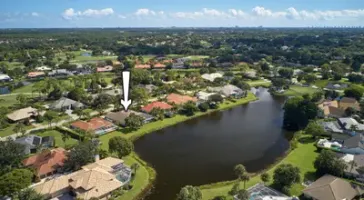
4 Beds | 2/1 Baths
Contact Craig at ..
Offered at $1,749,000
More Info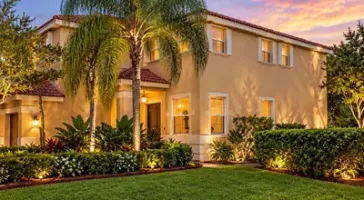
5 Beds | 3 Baths
Contact Iryna at ..
Offered at $1,275,000
More Info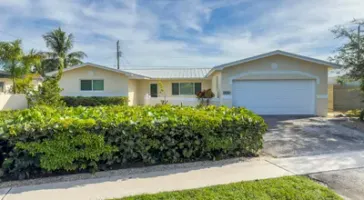
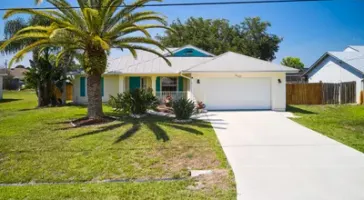
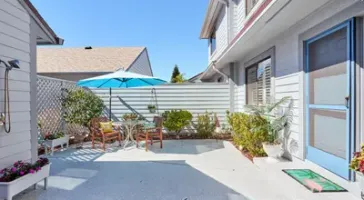
3 Beds | 2 Baths
Contact David at ..
Offered at $389,900
More Info








or Create your MyHomes account today?

In only 30 seconds you will have full access to property, community info and SOLD data you can't get anywhere else.