










Get Email Updates
Get an email the instant your dream home hits the market with your MyLogin account
Updated September 16, 2026 10:54AM EST





03/19/2026
Jeff Lichtenstein
Mar 19, 2026
First Things First. The story you are about to read is dead. I’m in Death Valley writing First Things First — so apropos. I thought I was Johnny on the spot with this article, but Friday afternoon, after I wrote this piece, Judge Jeremy Kernodle (you’ll love him) struck down FinCEN. FinCEN (which you will read about) was 86’d because it exceeded its statutory authority and doesn’t provide a whistleblower program. My guess is that it will be appealed, and fixed. Think of what you are about to read more in Zombie state coming back to terrorize you soon!
————————————————
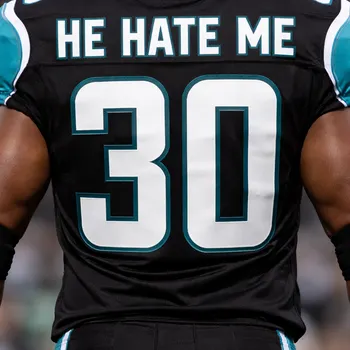
Some people have interesting names, such as old-time celebrities including Tuesday Weld. Or Englebert Humperdinck. The influencer Nara Smith has kids named Slim Easy, Whimsy Lou, Rumble Honey, and Fawnie Golden. Trisha Paytas (another influencer) has Malibu Barbie, Elvis, and Aquaman Moses. Elon Musk named one child Techno Mechanicus. Another child was named Exa Dark Sideræl. Prince changed his name to a symbol. Cosmo I thought was a funny name for Kramer, but it became real for Scarlett Johansson and Colin Jost’s whippersnapper. But HE HATE ME might take the cake. HE HATE ME was a football player in the USFL before it went defunct for the first time.
There are lots of names that started out nice but became villainous over time. Little Charles become Charles Manson. Promising Teddie became the Unabomber. Adolph ruined his name. Jeffrey and Epstein. (I was always smart to just go by Jeff). Maxwell. Well, Ghislaine — not Maxwell Smart, who was a witty and entertaining fella.
Anyhow, one would think Director Andrea Gacki would be celebrated and admired, as she is stopping crime. But if you are closing a home, then the sound of her name will give you the chills. Full-blown hair standing up on your arms, red face, and pure LOATHING & DISGUST!
See, the new HE HATE ME is Director Andrea Gacki. She is the Director of Financial Crimes Enforcement. FinCEN is such a strange acronym. Not sure if Andrea is Irish or Scottish, as many names like McDonald have a small letter followed by a capital one. Poor “in” in Finance is downgraded, and “CEN” is elevated to feature — CRIME ENFORCEMENT. FINCE would make more sense, but it seems a bit weak. Are you really going to flinch over “fince”?
Don’t get mad at the real estate agent or the closing agent or your attorney. All the extra time and expense (yes, it will cost a hair) and delays are part of the revulsion. Sensitive information you don’t want to give. If you want to close – you are now giving it! FinCEN went into effect on March 1. The mission of FinCEN, according to FinCEN, is the following….
FinCEN is a bureau of the U.S. Department of the Treasury. The Director of FinCEN is appointed by the Secretary of the Treasury and reports to the Treasury Under Secretary for Terrorism and Financial Intelligence. FinCEN’s mission is to safeguard the financial system from illicit activity, counter money laundering and the financing of terrorism, and promote national security through strategic use of financial authorities and the collection, analysis, and dissemination of financial intelligence.
So, DON’T HATE ME. Instead, if you are buying, selling, planning to, or plan to one day, you’ll want to read my interview with Attorney Nick Ritmato and Business Officer Geoff Pritchard (he’s good, even though he spells Jeff the wrong way) with Next Wave Title, as they will explain all of this, including what you’ll need to be aware of and what you’ll need to do when the time comes…
Jeff: What Is FinCEN and Why Am I Being Asked for More Information During My Real Estate Closing?
Nick & Geoff: If you are buying or selling real estate and suddenly hear the name FinCEN, you are probably not alone in wondering what it all means.
For most people, these terms are unfamiliar. They are not part of the normal real estate conversation, and they can sound a little intimidating at first. The good news is that this process is not meant to make your closing harder. It is meant to help the government detect and prevent financial crimes, while trusted professionals help guide you through the process safely and securely.
So, What Is FinCEN?
FinCEN stands for the Financial Crimes Enforcement Network, which is part of the U.S. Department of the Treasury.
That may sound technical, but the idea behind it is pretty simple: FinCEN helps the government watch for suspicious financial activity, such as money laundering, fraud, and other illegal uses of money. Its mission is to protect the financial system and support national security.
In everyday terms, FinCEN exists to make sure certain financial transactions are transparent and properly reported when required by law.
Why Does This Matter in Real Estate?
Real estate transactions involve large amounts of money, which makes them one area the government watches closely. Federal law now requires additional information to be collected and reported when a property is being purchased by or transferred to a legal entity or trust.
Beginning with closings on or after March 1, 2026, most residential transactions that (i) involve a purchaser that is a legal entity or trust, and (ii) are non-financed transactions will require this extra reporting.
That does not mean anyone has done anything wrong. It simply means the transaction falls into a category where more information must be collected to meet federal requirements and avoid significant fines and penalties for failure to comply.
How Are Title Companies and Title Professionals Handling FinCEN Reporting?
Instead of leaving buyers or sellers to figure out a complicated federal reporting requirement on their own, many title companies are partnering with specialized FinCEN reporting service providers that provide a step-by-step process through a secure online portal. These FinCEN reporting service providers help save time on your transactions and provide high-security portals for the confidential information that must be reported.
Why Am I Hearing About FinCEN?
If your transaction is one that must be reported, you are required to report certain information involving the legal entity or trust that you are purchasing the property in, as well as information on where the funds for closing are coming from. Sellers are also required to report certain information to verify the legitimacy of the transaction.
This happens because:
The reporting is required by law.
This is not optional for transactions that qualify.
The information is more detailed than a typical closing.
Some of the details requested may go beyond the documents and information usually collected in a standard real estate transaction.
The process needs to be done correctly.
What Must Title Companies and FinCEN Reporting Service Providers Do?
The title companies and their applicable FinCEN Reporting Service Providers manage the compliance process from beginning to end. That includes:
Throughout the process, you and your title company stay informed, which helps keep everything moving forward.
Could This Affect the Closing Timeline?
Yes, it can.
Because this is a new federal reporting requirement, it may add extra steps to the transaction. That means some closings may take longer than the typical 30-day timeline, especially if additional information is needed from the parties involved or if there are delays in submitting required documentation.
The best way to avoid delays is to respond quickly to requests from your closing team and provide complete information as soon as possible. The sooner the required reporting steps are completed, the better chance your transaction has of staying on schedule.
What Should I Expect?
The goal is to make compliance as smooth as possible without creating unnecessary stress or delays. Title companies and their FinCEN reporting service providers should be prepared to offer a process that is clear and organized. You can expect:
Why Is This So Important?
The federal reporting requirement is not something that can be skipped. If a reportable transaction is not handled properly, there can be serious civil and criminal penalties.
That is why having a trusted system in place matters. Working with a title company that understands the process helps with:
Peace of mind that your transaction is meeting federal requirements
Efficiency by helping avoid last-minute problems or closing delays
Security by using a trusted, underwriter-backed process for sensitive information
Final Takeaway
For most buyers and sellers, FinCEN is not something they think about until it comes up during a transaction. And when it does, it can feel confusing at first.
But the main thing to know is this: if your transaction requires FinCEN reporting, it does not mean there is a problem. It simply means the law requires extra transparency for certain types of deals.
It is also important to understand that these added compliance steps may extend the closing timeline beyond the standard 30 days in some cases. Being responsive and submitting information promptly can help reduce that risk.
Next Wave Title can be reached at the hyperlink or call Geoff at 561-390-9283 (WAVE).
So no, HE HATE ME didn’t disappear — he just got a government job. FinCEN may not be fun, it may slow things down, and yes, it may cost you a few extra dollars. Actually, the real HE HATE ME player is Rod Smart. And the smart thing you can do is understand it, prepare for it, and work with people who know how to navigate it. Because in today’s world, closing a deal isn’t just about price anymore — it’s about getting through the red tape without losing your mind.


Jeff Lichtenstein, originally from Chicago, got his start in the home furnishings textile business where he traveled over 35 weeks a year selling fabrics. After the family business was sold, Jeff moved to Florida and became a real estate agent. Today he is the owner and broker of Echo Fine Properties, a luxury residential brokerage voted best brokerage of the year. Jeff manages a non-traditional model of real estate that mimics a traditional business model. Echo has 100 agents, an average of one million dollars per transaction and over 500 million in annual sales. Between traveling for work and annual family trips to national parks with his wife and 2 now adult children, Jeff has visited 49 states. He is also one of the few Chicago White Sox fans you’ll ever meet. Some publications he has been quoted in.
Author of business & leadership book How Making a Sandwich Can Change Your World – The Amazing Success of the PB&J Strategy – Available to Buy Now!
Feel free to ask him a question directly at [email protected] including a complementary valuation of your home.














or Create your MyHomes account today?

In only 30 seconds you will have full access to property, community info and SOLD data you can't get anywhere else.