





Get Email Updates
Get an email the instant your dream home hits the market with your MyLogin account
Updated October 16, 2026 11:14AM EST





07/31/2025
Jeff Lichtenstein
Jul 31, 2025
The sad fisherman was photographed with his boat docked in dry dirt—the ship had beached. Photos of the sorrowful angler with their vessel and the cracked surface of Lake Okeechobee, played repeatedly on every news outlet. Various industries were impacted, and many had no work.
In 2004, the headlines of newspapers and TV news outlets focused on this subject every single day. It was as if Forrest Gump had moved to fish in South Florida. There was real concern at the time about the water supply and whether there would be enough water for South Florida. Would there be enough for all the residents moving there? Was the Everglades going to dry up?
Then Mother Nature happened. Twice.
Hurricane Frances struck. Lots of older homes took a beating. Power lines were down. Leaks everywhere. Ninety-degree weather with no air conditioning. A week passed. That’s when a storm that had been out to sea did a loop-de-loop. Hurricane Jeanne hit the exact same spot.
All in all, four major hurricanes hit Florida in six weeks.
I had ten homes under contract at the time, and it was a nightmare—with delays, domino effects, and juggling to keep deals together, each one affecting the next. Insurance was impossible to get when we were in “the cone.”
Needless to say, we got through it.
If a storm of the same magnitude hit today, the situation would be much better. New homes built since then have impact glass, and many older homes have been retrofitted. In addition, there are more generators, stronger roofing systems, and more power lines are now buried underground.
Still, as we saw with Hurricane Milton just last year, storms are becoming more frequent and more intense. Tornado spin-offs mean that even the newest, best-constructed homes are not always safe.
Since it’s now August and the heart of hurricane season is just around the corner, here are my annual tips to get ready in advance and be prepared for Hurricane Season 2025.
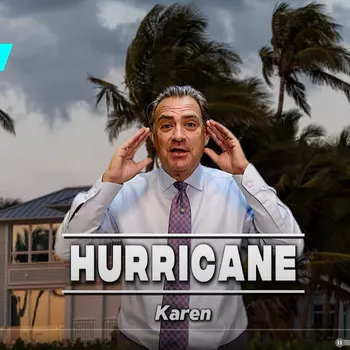
The one name that worries me the most?
Karen.
Because you know Hurricane Karen would want her revenge…
1. Install Protective Shutters: If you don’t have impact glass, install protective shutters. Make sure you have someone on-call who can help with this if needed.
2. Inventory and Photograph Belongings: Document and photograph your belongings and property. This is crucial for insurance purposes in the event of damage.
3. Secure Outdoor Items: Bring in all patio furniture and yard decor to prevent them from becoming damaging projectiles in strong winds.
4. Have Cash Available: Keep cash on hand for use during extended power outages or unexpected evacuations. If you need help with something right before or right after a storm – green talks!
5. Fuel Your Vehicle: Make sure your gas tank is full. Have backup fuel containers for your car or portable generators. For electric vehicle owners, consider having a generator available.
6. Replenish Essential Supplies: Stock up on flashlights, extra batteries, and a first aid kit.
7. Stock Up on Food and Water: Have non-perishable food items that don’t require refrigeration or microwaving. Ensure you have clean drinking water, with one gallon per person per day recommended for up to two weeks. Fill bathtubs with water for flushing toilets and cleaning dishes.
8. Consider Removing or Cutting Patio Screens: To prevent excess structural damage, remove or cut patio screens, allowing wind to blow through and reducing the risk of collapse. Structural damage is much more expensive than just replacing the screens.
9. Turn Off Water When Away: If you’re not at the property, turn off the water to avoid potential flooding. Consider flood insurance, especially as a tropical storm isn’t a hurricane, and coverage can vary for different types of storms. This can make a difference in an insurance claim getting accepted or not.
10. Invest in Long-term Preparations: Enhance your home’s storm resilience by upgrading to impact glass, replacing the roof, and purchasing a generator. These improvements offer insurance savings and increased safety, especially for health needs and general peace of mind. Most homes built in the last 15 years have impact glass, so the return on investment is really there. Plus, older glass starts to fog up and windows need to be replaced at some point. The Importance and return on investment of impact glass
11. Consider Surge Protection: Purchase a surge shield protection plan from FPL to protect motor-driven appliances like your A.C. and electrical items. This service can be installed without needing to enter your home. Here is a link to the FPL Surge Protection.
12. Bookmark our Vendor list in your ❤️favorites.
And if a Karen upsets you this month….maybe best to just turn another cheek. At least until November!


Jeff Lichtenstein, originally from Chicago, got his start in the home furnishings textile business where he traveled over 35 weeks a year selling fabrics. After the family business was sold, Jeff moved to Florida and became a real estate agent. Today he is the owner and broker of Echo Fine Properties, a luxury residential brokerage voted best brokerage of the year. Jeff manages a non-traditional model of real estate that mimics a traditional business model. Echo has 100 agents, an average of one million dollars per transaction and over 500 million in annual sales. Between traveling for work and annual family trips to national parks with his wife and 2 now adult children, Jeff has visited 49 states. He is also one of the few Chicago White Sox fans you’ll ever meet. Some publications he has been quoted in.
Author of business & leadership book How Making a Sandwich Can Change Your World – The Amazing Success of the PB&J Strategy – Available to Buy Now!
Feel free to ask him a question directly at [email protected] including a complementary valuation of your home.











or Create your MyHomes account today?

In only 30 seconds you will have full access to property, community info and SOLD data you can't get anywhere else.